
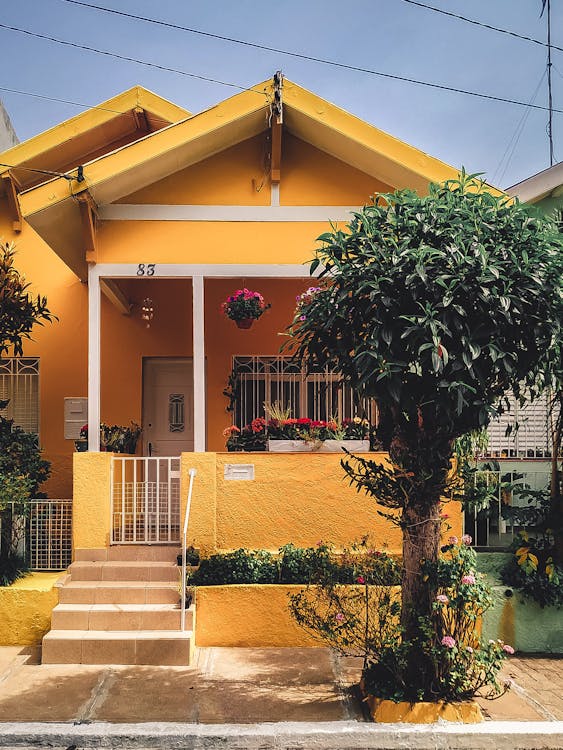
Over the past decade, small homes have become increasingly popular among homeowners who want a more efficient, affordable, and sustainable way of living. Instead of focusing on square footage alone, modern residential design is shifting toward smarter layouts, better use of space, and flexible interiors.
A well-designed small house can offer everything a family needs while reducing construction costs, maintenance, and energy consumption. The key lies in thoughtful planning and choosing a floor plan that maximizes every square foot.
Why Small Homes Are Becoming More Popular
Many homeowners today are intentionally choosing smaller houses. Rising construction costs, land prices, and changing lifestyles are all influencing this shift. Smaller homes are easier to maintain, often more energy-efficient, and can still provide excellent comfort when designed properly.
Another important factor is flexibility. Smaller homes can be ideal for first-time homeowners, downsizers, or families who prefer a more minimal lifestyle.
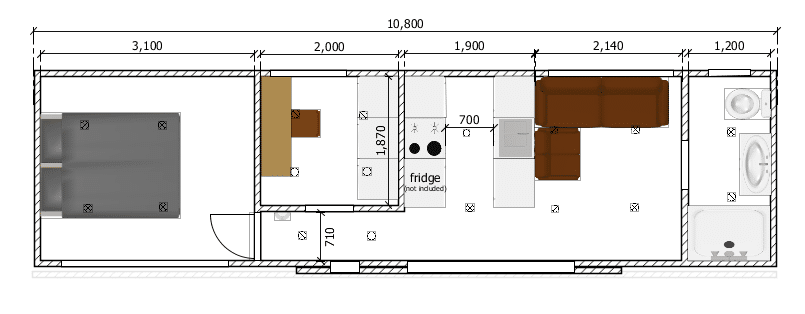
However, the success of a small home depends heavily on the quality of the layout. For homeowners researching efficient layouts and smart space planning, it can be helpful to explore these floor plans to better understand how well-designed small homes balance functionality, comfort, and efficient use of space.

The Importance of a Well-Designed Floor Plan
A well-planned floor layout is one of the most important factors in successful residential design. In smaller homes, thoughtful space planning becomes even more critical because every square foot must serve a clear purpose.
Effective small house plans typically emphasize open living areas, efficient circulation between rooms, integrated storage, strong natural lighting, and flexible spaces that can adapt to different needs over time.
When these elements are carefully balanced, even a compact home can feel spacious, functional, and comfortable for everyday living.
Open Layouts Make Small Homes Feel Bigger
One of the most effective design strategies for small houses is the use of open floor plans. By combining the kitchen, dining, and living areas into one connected space, designers can eliminate unnecessary walls and create a more spacious feeling interior.
Open layouts also improve natural light distribution, which plays a major role in how large or small a home feels.
In many modern homes, large windows and sliding glass doors are also used to visually extend the living area toward outdoor spaces like patios or gardens.
Smart Storage Solutions
Storage is often one of the biggest challenges in smaller homes. Without careful planning, clutter can quickly make a home feel cramped.
This is why good floor plans incorporate storage directly into the architecture of the house. Built-in shelves, under-stair storage, integrated closets, and multifunctional furniture can significantly improve usability. For built-in cabinetry, many homeowners and builders turn to wholesale cabinets as a practical and budget-conscious way to outfit multiple spaces without overspending.
When storage is planned from the beginning, a smaller home can remain organized and comfortable for everyday living.
Multi-Functional Spaces
Another key principle in small home design is flexibility. Rooms that serve multiple purposes can greatly improve how a house functions.
For example:
- A guest bedroom can double as a home office;
- A dining area can serve as a workspace;
- Built-in seating can include hidden storage.
These design strategies allow homeowners to adapt their space as their needs change over time.
Natural Light and Outdoor Connections
Natural light plays a crucial role in how spacious a home feels, especially in compact layouts. Large windows, skylights, and sliding glass doors allow daylight to reach deeper into the interior, making rooms feel brighter and more open.
Connecting indoor living spaces with outdoor patios, terraces, or gardens can further enhance this effect. When the living area visually extends toward the outdoors, the home feels larger and more connected to its surroundings — even within a modest footprint.
Designing for Modern Living
A smaller home does not mean compromising on comfort or quality of living. With thoughtful planning and a well-designed layout, compact houses can offer a highly functional and comfortable environment for everyday life.
By prioritizing efficient space planning, natural light, and flexible living areas, homeowners can create homes that feel open, modern, and perfectly aligned with their lifestyle.
Posted by Alexander Gutierrez
Related Articles:
- 10 Compelling Reasons To Move To Nevada In 2024
- What Do You Do When The Home Appraisal Comes In Too Low
- Mesquite Nevada Real Estate Report 2022
- Paint Colors That Can Increase Your Homes Value
- Unlocking Mesquite Nevada Mortgage Rates Your Guide To Assumable Mortgages
- Can Solar Panels Increase My Nevada Home Value
- Lost City Museum Nevada
- Womens History And Culture Center